 Create Future Gaming 2023-1-ES01-KA210-SCH-000150686
2 Courses
GAMIFICATION-Classroom Tools That Use AI
Classroom Tools That Use AI
Classroom Tools That Use AI
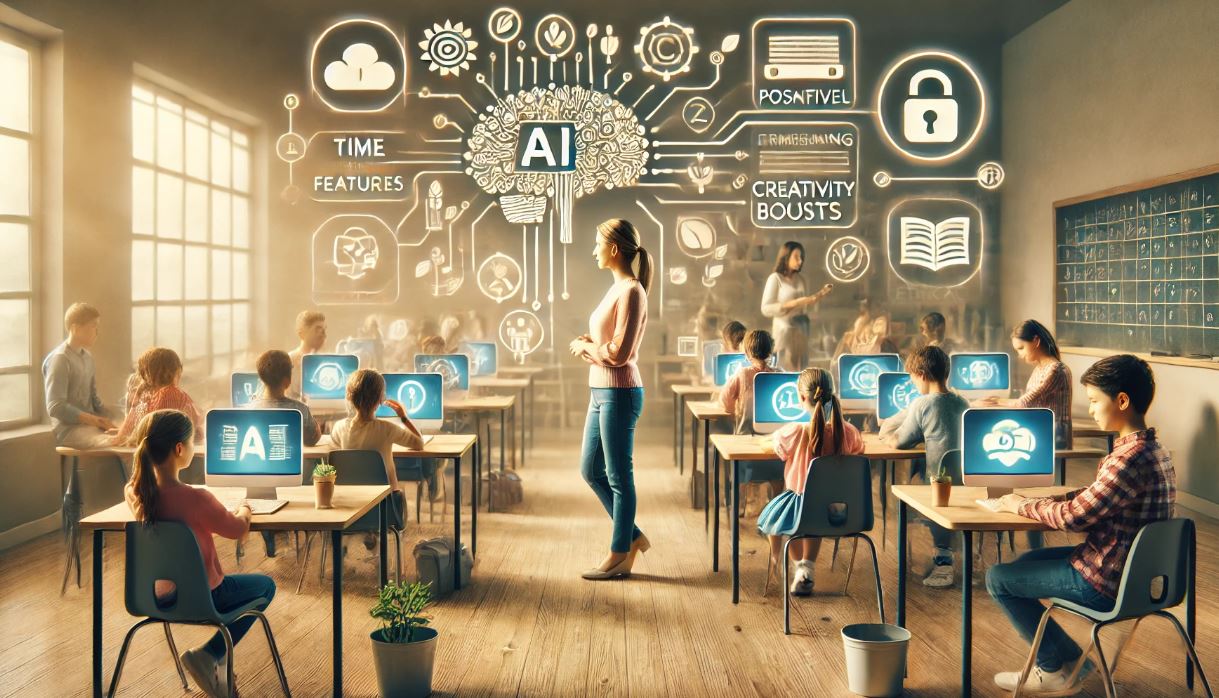
When used carefully, educational tools that utilize artificial intelligence can be time-saving and help teachers and students to create materials and presentations and even self-assess their own work. It is also the case that AI in the classroom can pose a slew of challenges and ethical concerns. AI tools do not always cite their sources, are often unclear about how they use student data, and can promote bias. Despite these concerns, the tools we've gathered here can be used to enhance students' classroom experience, particularly when employed alongside tools from our Lessons and Tools for Teaching About Artificial Intelligence list. Many of the tools below are free, are adaptable for different ages and learning styles, and include privacy evaluations. Use this list to explore exciting opportunities for experimenting with evolving technology.
GAMIFICATION-Classroom Tools That Use AI
GAMIFICATION
This
result is open source.
Course Title:
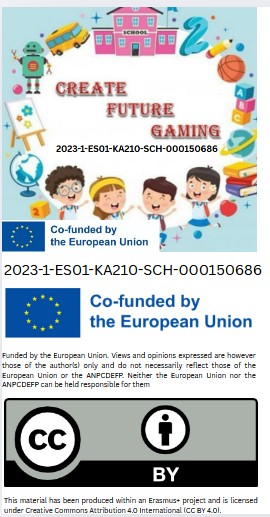
"Gamification Strategies for Primary Education: A Multicultural Approach"
Course Description:
This course aims to empower primary school teachers from Spain, Romania, Turkey, and the Czech Republic with the skills and knowledge to effectively incorporate gamification techniques into their teaching methods. The course will explore cultural considerations and offer practical tools to create engaging and educational experiences for young learners.
Course Modules:
Introduction to Gamification in Education
- Definition and principles of gamification.
- Benefits of gamification in primary education.
- Case studies of successful gamification in different countries.
Understanding Cultural Contexts
- Overview of primary education systems in Spain, Romania, Turkey, and the Czech Republic.
- Cultural considerations in gamification.
- Adapting gamification strategies to diverse classrooms.
Game Design Fundamentals for Educators
- Elements of game design: rules, goals, feedback systems.
- Balancing educational content with play.
- Creating inclusive and accessible games.
Digital and Non-Digital Gamification Techniques
- Leveraging technology in gamification.
- Traditional games and activities for classrooms without digital resources.
- Blending digital and non-digital methods.
Creating a Gamified Curriculum
- Integrating gamification with existing curricula.
- Designing gamified lesson plans and activities.
- Assessing student engagement and learning outcomes.
Workshop: Developing Your Gamified Lesson Plan
- Hands-on session for teachers to create their own gamified lesson plan.
- Peer reviews and feedback from instructors.
Challenges and Best Practices
- Addressing common challenges in implementing gamification.
- Sharing best practices and lessons learned.
- Ensuring ethical and educational appropriateness.
Final Project: Implementing a Gamified Lesson
- Teachers implement a gamified lesson in their classroom.
- Submission of a reflective report on the experience and student feedback.
Community and Collaboration
- Building a network of educators for ongoing support and idea exchange.
- Collaborative projects and cross-cultural exchanges between participating countries.
Course Duration:
8 Weeks (including the final project implementation)
Course Materials:
- Interactive online modules
- Downloadable resources and templates
- Access to a community forum for discussions and support
Assessment and Certification:
 Create Future Gaming 2023-1-ES01-KA210-SCH-000150686